Hot Spots in Dogs: Causes and Treatment Through Anxiety Resolution

dog anxiety hot spots causes treatment behavioral signs licking pacing

Hot Spots in Dogs: Causes and Treatment Through Anxiety Resolution

By Chad Singer, Founder of Canine Revolution Dog Training, Author of “The Ultimate Leash Training Manual: 5 Steps to a Well Behaved Dog

Anxiety and hot spots often go hand-in-hand in dogs—here’s how to address both the behavior and the skin issue.

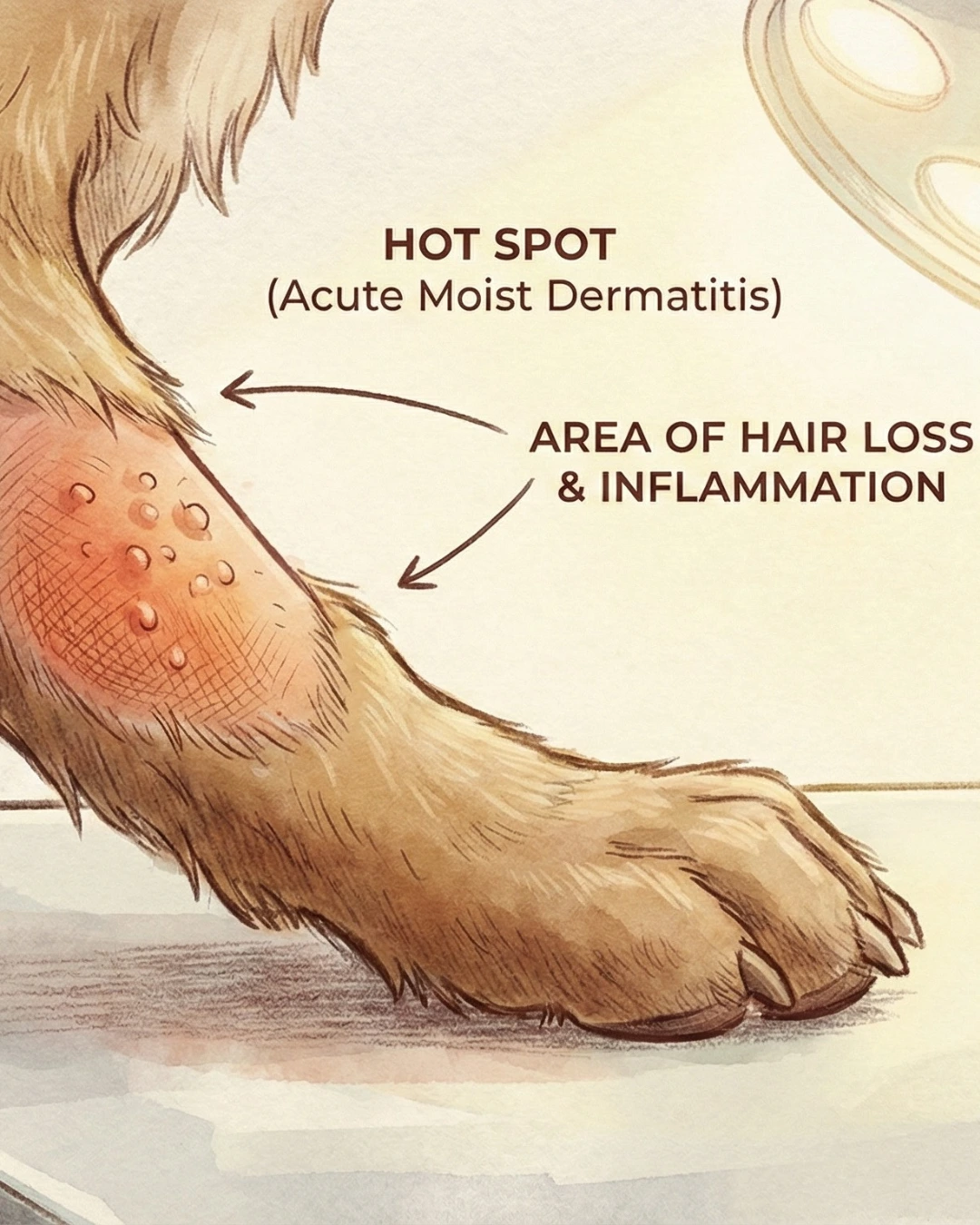
If you’ve noticed your dog obsessively licking one spot until it’s red, raw, and weeping, you’re dealing with a hot spot. These painful skin lesions can appear seemingly overnight, and while many owners rush to treat the wound itself, they often miss the real culprit: anxiety.

Hot spots in dogs aren’t just a skin problem—they’re frequently a combined behavioral problem. Your dog’s constant licking, chewing, and scratching might be their way of coping with stress, boredom, or fear. The cycle is vicious: anxiety leads to licking, licking creates hot spots, hot spots cause pain and irritation, which increases anxiety, which leads to more licking.

Hot spots in dogs are also often affected by unknown allergies, which can additionally cause underlying anxiety and compounding skin issues.

Let me walk you through all sides of this issue—the behavioral roots, allergies, and the physical treatment—so you can help your dog heal from the inside out.

Where Does Anxiety Come From in Dogs?

Before we can stop the licking, we need to understand why it starts. Anxiety in dogs develops through several pathways.

Genetics play a major role. If your dog’s parents, grandparents, or anyone in their lineage struggled with anxious behaviors, those tendencies can be passed down through genetics. Some breeds—German Shepherds, Golden Retrievers, Doodles, and Labradors—are particularly prone to anxiety and the skin problems that follow.

Learned anxiety is equally common. From puppyhood onward, small moments can accidentally teach your dog to be anxious. Maybe they got scared during a thunderstorm and you rushed to comfort them. Maybe their allergies created some hyperactive behavior traits and you constantly obsess over them. Maybe they learned that frantic behavior gets your attention. These micro-behaviors build up over time, and before you know it, your dog’s anxiety has become a fixed part of their behavior set.

We unintentionally reinforce it. When your dog licks obsessively and you pet them, talk to them in a soothing voice, or pick them up, you’re actually telling them that licking is the right response to stress. This reinforcement causes anxiety to escalate.

Can Anxiety Cause Hot Spots in Dogs, or Are They Always from Allergies?

Yes, anxiety absolutely causes hot spots. While allergies, fleas, and infections can trigger hot spots, anxiety-driven licking and chewing create the perfect environment for them to develop as well.

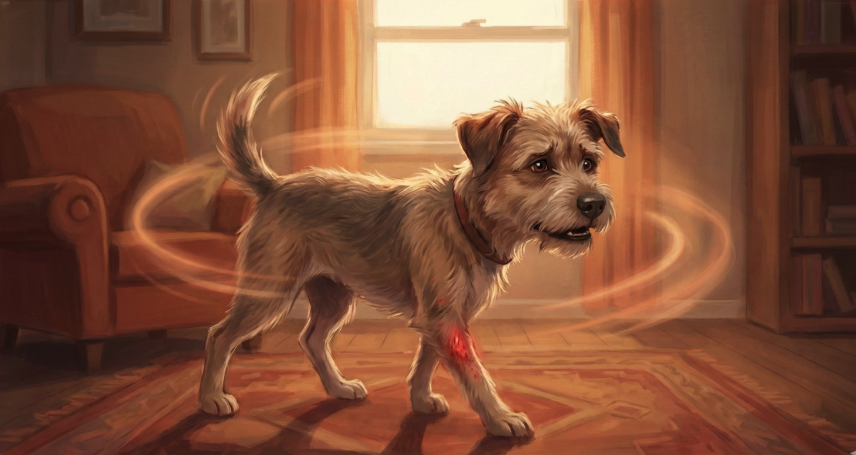
When your dog is anxious, they focus that nervous energy on their body—usually a paw, leg, flank, or tail base. The constant moisture from licking breaks down the skin barrier, bacteria moves in, and within hours you have a painful, oozing hot spot.

Separation anxiety is a major trigger. Dogs left alone for long hours without proper mental stimulation often develop hot spots on their paws or legs simply from stress licking. Noise phobias from thunderstorms and fireworks can send anxious dogs into licking frenzies that result in raw patches overnight. Constantly battling with allergies can also result in anxious dogs licking themselves all over.
dog hot spots from anxiety licking separation anxiety skin problems treatment

How Do I Know If My Dog’s Licking Is from Anxiety or from Pain?

This is where observation becomes critical. Anxiety licking has distinct patterns:

  • Your dog licks when you leave or when they’re alone
  • The licking intensifies during stressful events (visitors, storms, schedule changes)
  • They lick the same spot repeatedly, often creating symmetrical wounds on both sides
  • The licking stops when they’re engaged in play, training, or focused activities
  • You notice pacing, panting, whining, or destructive behavior alongside the licking

Pain-driven licking is different. Your dog will lick a specific injury site or joint, the licking doesn’t correlate with stress triggers, and they may guard the area or yelp when touched.

This can be tricky, because once a hot spot has started, it can become painful. Additionally, allergy related hotspots can result in the dog licking on one focused area, or beginning to lick multiple areas across the body. Focused licking on one area can turn a hot spot into a lick granulomas which is a callused hot spot. These are very hard to heal.

If you’re unsure, a vet visit rules out underlying medical causes like arthritis, allergies, or infections. Additionally consulting with your local dog nutritionist and allergy specialist, like All Is Well Pets in Summerville, South Carolina, can help you to conduct at-home tests for allergies and put together a plan to quickly overcome them. If the vet and dog nutritionist / dog allergy specialist clears your dog and the licking continues, you’re dealing with anxiety.

What Are the Most Common Signs of Anxiety in Dogs?

Anxiety manifests in multiple ways, and hot spots are just one symptom. Watch for:

  • Hyperactivity and inability to settle – constant pacing, never lying down calmly
  • Excessive panting when it’s not hot and they haven’t exercised
  • Obsessive licking and chewing – paws, legs, flanks until they’re raw
  • Destructive behavior – chewing furniture, doorframes, baseboards
  • House soiling despite being housetrained
  • Excessive vocalization – whining, barking, howling when alone
  • Clinginess – following you room to room, unable to be separate

These behaviors feed into each other. An anxious dog might pace for hours, then settle into obsessive paw licking, creating hot spots that worsen their stress.

Why Does My Dog Lick One Spot Until It Turns Into a Hot Spot?

Dogs are creatures of habit. Once they start focusing on a particular spot, the licking becomes self-reinforcing. The initial lick might release endorphins, providing temporary stress relief from allergies or anxiety. This trains their brain that licking = feeling better.

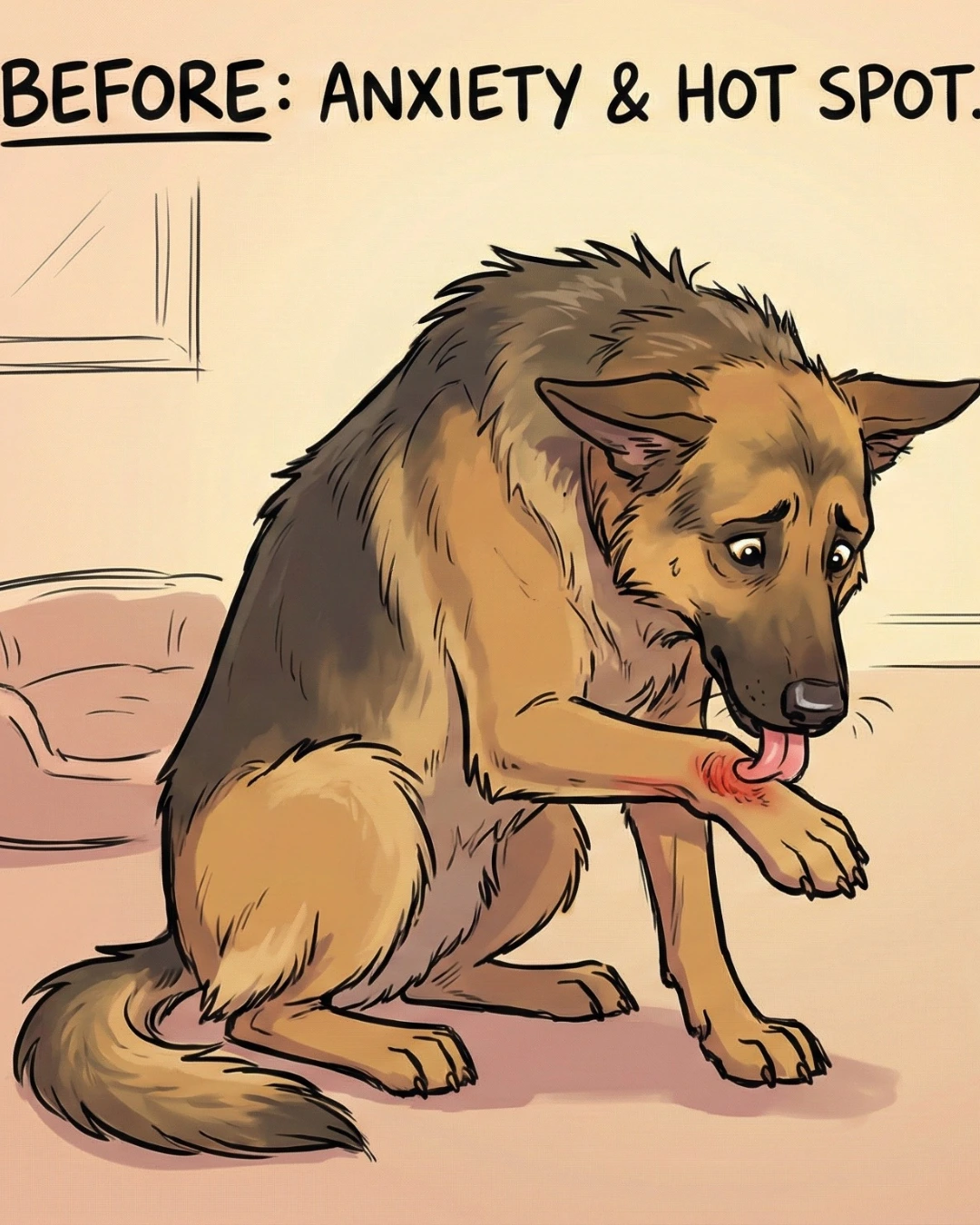
As the spot gets irritated, it becomes itchy or tingly, which makes them lick more. The moisture and bacteria create infection, which makes it painful, which increases anxiety, which drives more licking. It’s a feedback loop that won’t break on its own.

Poor diet, boredom, and lack of mental stimulation make this worse. A dog without proper nutrition, enough exercise, training, or enrichment will channel their energy into repetitive behaviors. That’s why Doodles, German Shepherds, and working breeds often develop anxiety and hot spots—they’re intelligent dogs that need jobs to do. Short haired terrier breeds are known to easily develop allergy and skin issues, this is where a proper at-home allergy test and nutritional consultation make a huge difference as soon as you get your dog-before hot spots ever become a problem.

The Two-Part Approach: Resolving Anxiety AND Hot Spots

You can’t just treat the hot spot and expect it to stay healed. You also can’t just work on anxiety while the wound festers. You need both.
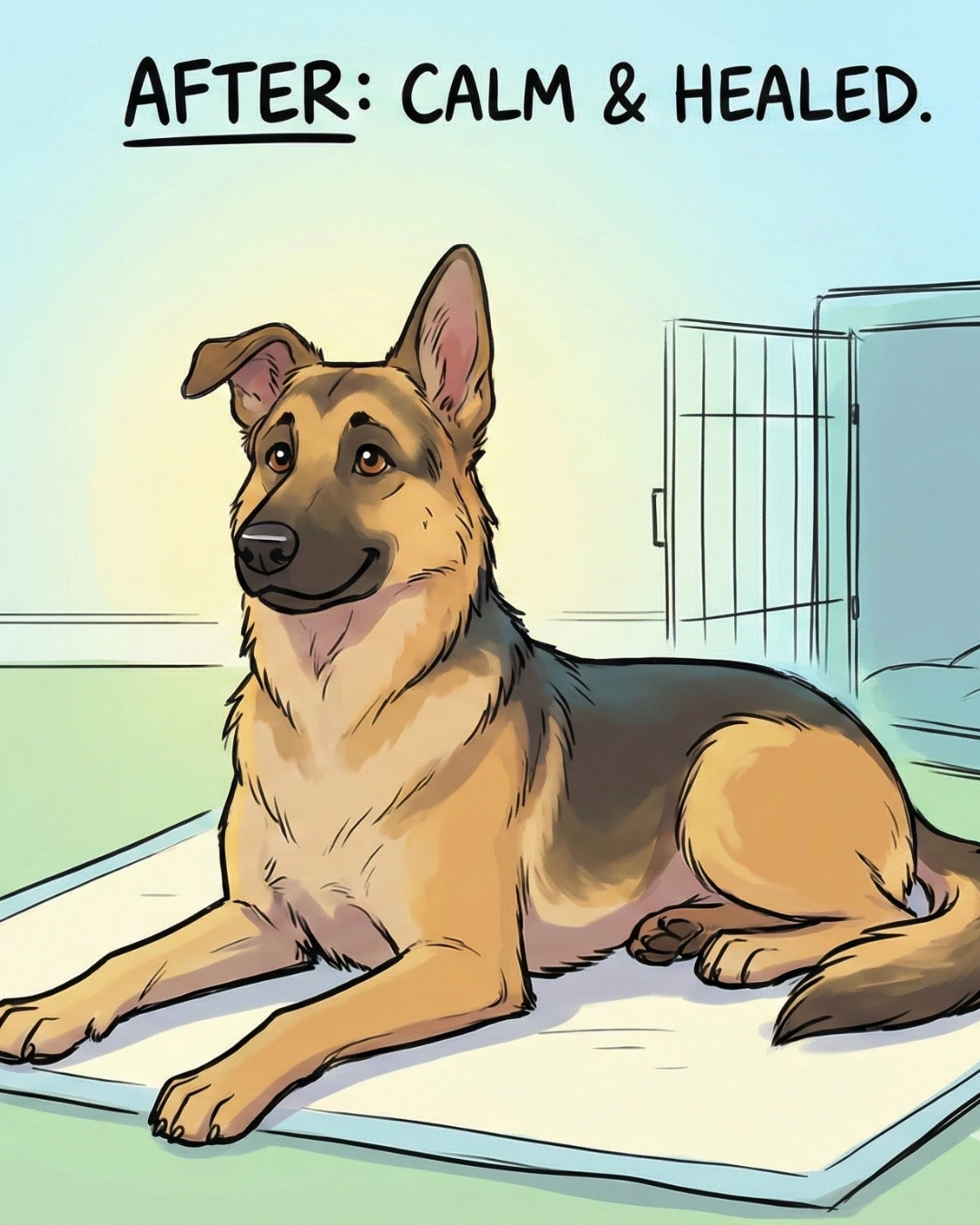
dog anxiety and hot spots before after training behavioral modification results

Part 1: Establish Routine and Structure

Anxious dogs are constantly anticipating what comes next without understanding the pattern. This uncertainty feeds their stress. Your first step is creating a reliable daily routine.

Structure reduces anxiety because it provides predictability. Your dog learns when they’ll eat, when they’ll walk, when they’ll train, when they’ll rest. This mental framework calms their spinning mind.

Start with consistent meal times, walk times, and training sessions. Don’t vary this schedule drastically. If breakfast is at 7 AM, make it 7 AM every day. If the evening walk happens at 6 PM, stick to it.

Rituals matter too. Maybe your dog sits before going through doorways. Maybe they go to their crate after evening training. These small rituals communicate leadership and give your dog a framework to operate within.

Part 2: Teach Behaviors That Promote Calmness

Once routine is established, begin training that directly reduces anxiety.

Eye contact is your foundation. An anxious dog’s attention is scattered—on the door, the window, the environment, anything but you. Teaching eye contact redirects that focus and builds engagement. Reward your dog every time they check in with you. This simple behavior becomes their anchor during stressful moments.

Loose leash walking implements boundaries. When you teach your dog to walk calmly beside you without pulling, you’re teaching impulse control and respect for structure. Anxious dogs that pull constantly are in a heightened state of arousal. Teaching them to walk calmly beside you creates a mental shift toward calmness.

Down-stay is your most powerful anxiety tool. The down position is physiologically calming for dogs. When they’re lying down, their heart rate drops, their breathing slows, and their nervous system begins to relax.

Teach the down with food lures first. Then build duration—start with 10 seconds, then 30, then a minute, and so on. Add distractions—practice while the TV is on, while someone walks by, while you move around the room. Finally, build distance—step away from your dog while they hold the stay.

A solid down-stay gives your anxious dog a job during stressful moments. Instead of licking their paw during a thunderstorm, they can hold a down-stay on their bed. You’ve replaced the anxious behavior with a calm, structured one.
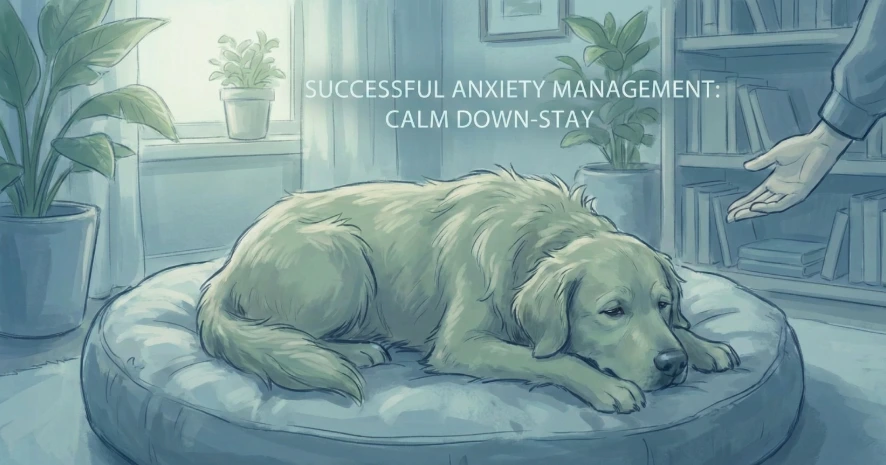
dog anxiety training down stay command calm behavior hot spots prevention

Part 3: Treat the Hot Spot Physically

While you’re working on behavior, the hot spot needs medical attention.

First, prevent further damage. Use an Elizabethan collar (cone) to stop your dog from accessing the wound. This is non-negotiable—if they keep licking, the hot spot won’t heal.

Clean and dry the area. Trim the fur around the hot spot so air can reach it if needed. Clean it gently with Derma Ease hot spot spray from All Is Well Pets. This specific formula is designed with the best ingredients to heal hot spots on dogs faster than any other hot spot formulation.

Apply medication as directed by your vet. Some hot spots require topical antibiotics. Some cases need oral antibiotics if the infection is deep.

Monitor healing. Hot spots can heal within 3-7 days if licking stops and treatment is consistent. But if your dog’s anxiety or allergies aren’t addressed, they’ll create a new hot spot as soon as the collar comes off.

How Can Training Help Reduce My Dog’s Anxiety and Stop Them from Creating Hot Spots?

Training isn’t just about teaching commands—it’s about giving your dog mental clarity. An anxious dog’s brain is constantly racing. Training provides structure, burns mental energy, and builds confidence.

Mental stimulation is as important as physical exercise. A 20-minute training session can tire your dog as much as a 45-minute walk. For anxious dogs, this mental exhaustion is therapeutic.

Use nose work games, puzzle feeders, and scent detection exercises. Hide treats around the house and encourage your dog to find them. Practice obedience drills in different rooms and environments. Keep their brain engaged so it doesn’t default to anxiety licking.

When Should I See a Holistic Pet Service Provider or a Trainer for Anxiety-Related Hot Spots?

See a holistic pet service provider first to rule out medical causes—allergies, infections, hormonal imbalances, pain, nutrition. If your dog gets a clean bill of health but the licking continues, the issue is behavioral.  Dealing with hotspots may also be a two part approach, you may need both allergy testing and training simultaneously.

A professional trainer can help you build the structure, routine, and obedience foundation that reduces anxiety.

A professional holistic pet service provider can perform skin and coat evaluations, allergy testing, nutritional counseling, and more to resolve the hotspots.

What Mistakes Do Owners Make That Accidentally Reinforce Anxiety Licking Behaviors?

The biggest mistake is comforting your dog when they’re anxious. When your dog is pacing, panting, or licking, and you pet them, talk to them soothingly, or pick them up, you’re rewarding that state of mind.

Other common mistakes:

  • Allowing your dog to follow you everywhere, reinforcing clinginess
  • No structure or routine, leaving your dog guessing what comes next
  • Insufficient exercise and mental stimulation
  • Giving attention on demand instead of requiring calm behavior first
  • Removing the cone too early before the hot spot fully heals

The Role of Diet and Nutrition in Anxiety and Hot Spots

Once you’ve addressed behavior and the hot spot is healing, persistent skin issues might point to nutrition.

Food allergies can interact with anxiety to make hot spots worse. Common triggers include wheat, corn, and grain being the highest allergens, followed by specific meat proteins that their body reacts to which could include chicken or beef.

Omega-3 supplements support skin health and have mild anti-inflammatory effects. Probiotics support gut health, which influences anxiety levels.

Creating a Balanced Daily Routine for an Anxious Dog with Skin Issues

Here’s what a therapeutic daily routine looks like:

Morning:

  • Consistent wake time
  • Breakfast
  • 10-minute training session (eye contact, down-stay)
  • 20-30 minute walk (mental and physical exercise)

Midday:

  • Quiet crate time or designated rest area

Evening:

  • Dinner
  • 10-minute obedience drill
  • 20-30 minute walk
  • Calm settle time on a dog bed near you

Before bed:

  • Final potty break
  • Crate or designated sleep area

This structure provides exercise, mental stimulation, training, and rest in predictable intervals. Your dog learns when to be active and when to be calm.

Key Takeaways

  • Anxiety and hot spots are interconnected—you must address both the behavior and the skin issue
  • Genetics, learned behaviors, allergies, and unintentional reinforcement all contribute to anxiety
  • Signs of anxiety include hyperactivity, pacing, panting, obsessive licking, and destructive behavior
  • Create a consistent daily routine to reduce your dog’s uncertainty and stress
  • Teach eye contact, loose leash walking, and down-stay to build calm behaviors
  • Treat hot spots with barriers, cleaning, and holistic support while working on anxiety
  • Mental stimulation and structure are as important as physical exercise
  • If behavior modification doesn’t fully resolve skin issues, consult a nutritionist for diet-related triggers

Hot spots from anxiety won’t heal until you address the root cause. Your dog isn’t licking to annoy you—they’re trying to cope with a mind that won’t settle. Give them structure, teach them calm behaviors, treat the physical wound, and fix the nutritional gaps / allergies and you’ll break the cycle for good.

Significance of a Raw Diet in Pets

Providing a balanced, nutritionally complete diet for our domesticated dogs and cats can be challenging. Most animal professionals recommend dry kibbles calling them a complete and balanced diet. You see fancy commercials all claiming to be the best dry food for your beloved pet. This cannot be farther from the truth.

In fact, in some cases a dry kibble can be the worst possible decision for a pet, regardless of the quality of the food. Some diseases and conditions can be complicated by dry foods (i.e. diabetes, compromised kidney or liver function). While quality dry foods using human-grade ingredients are acceptable, a raw diet is the best way to offer unadulterated nutrients. To understand the value of a raw food diet it is necessary to consider dog and cat physiology.

Breeding has resulted in unique shapes and colors in domesticated dogs. Though different in appearance, the physiology of the animals is the same as their wild predecessors. The International Commission of Zoological Nomenclature has reclassified dogs as Canis Lupis (Latin for “wolf”). Dogs and wolves are classified as the same species because they are genetically identical. They can interbreed and their organs and physiologic responses are identical—which means their nutritional requirements are identical.

Ever see wolves grazing on corn and wheat, or cooking their catch over a hot fire? In a ten-year study on feline nutrition, Dr. Francis Pottenger, MD, compared a raw food diet with a cooked food diet. He conducted his research with two groups of cats over several generations, feeding one group exclusively raw foods, and the other group exclusively cooked foods. By the third generation, the cats consuming cooked foods suffered from allergies, behavior problems, parasites, musculoskeletal problems, organ disease, and immune problems. Some of the cats on the cooked food diet were unable to reproduce by the third generation. Most domesticated pets are fed nutritionally inadequate processed foods, and have been for the last six to ten generations. Evolutionary processes allow a species to adapt, but the process takes at least eighty years.

While a domesticated dog or cat can reasonably digest processed foods, their digestive tracts are geared more towards digestion of raw foods, grains excluded. Instead of forcing your pets to adapt to a diet that lacks the components needed for health and vitality, why not offer them the diet that they have been thriving on for thousands of years—raw food diet. A raw diet should include small amounts of organ meat, raw bones, raw vegetables, and supplements. Raw bones are a great source of calcium, and are pliable and nutritious. As a bonus, they function as a natural toothbrush. (Never feed your pet cooked bones, which become brittle and sharp and can cause serious choking and digestive problems.)

Source: Becker, Karen Shaw, DVM. “The Worst to Best Foods You Could Feed.” 2002 – 2006. 2 Nov. 2006.www.drkarenbecker.com/nav_sets_04/set04.htm

Protein – Healthy or Harmful

It is important to provide protein for all stages of your pet’s life. Protein is essential in early stages to sustain rapid development, and as your pet ages, protein provides regenerative support.

The labels on commercial pet foods list crude protein values, which indicate overall protein in the package rather than the amount of usable protein. The quality and the sources of the protein in your pet’s foods are of primary importance. It should come from real meat sources, not by-products or mystery meat meals. Much of the unusable protein in commercial foods comes from grains and other difficult-to-digest foods, and can actually cause protein deficiency, along with other health issues including digestive problems and allergies.

The kidneys are another organ that is often associated with protein intake. According to researchers, high protein levels in food DO NOT cause kidney damage in the normal, healthy dog or cat! It is very important to feed your pet a high biological value protein. This means a protein that is highly digestible, easily absorbed by the intestinal tract, and that its amino acid components (the building blocks of proteins) include all the essential types of amino acids in their optimal proportions, leaving little for the kidneys to filter. This is crucial for animals that have impaired kidney function as well because by-products of protein digestion are the main toxins that need to be excreted by the kidneys.

Starting your pet on a high quality, easily digestible, utilized protein, from the beginning, will give their bodies the appropriate fuel needed to function at the highest possible level.

In recent years, there has been a great deal of debate regarding the effects of protein on our pets. There is a misconception that protein accelerates bone development, and that pets, especially large breed dogs, can be negatively affected if they consume too much protein when they are young. It is sometimes argued that excess protein could also harm the kidneys. Unfortunately, these misconceptions have led to feeding practices that are harmful for our pets.

The truth is – genetics determines growth rate, not the amount of protein consumed. Carnivores require a large amount of protein, which is converted and processed in several ways to support the many cellular structures in the body. Feeding high levels of protein along with the appropriate ratio of calcium and phosphorus with other necessary minerals will not cause bone problems. Bone growth problems are usually a result of excess calories or an inappropriate ratio of calcium to phosphorus, rather than excess protein. Dogs raised on commercial diets with substandard ingredients experience more musculoskeletal problems than those raised on a natural diet that includes protein from high quality meat.

Source: Dr. Bruce DeBaun. “The Protein Controversy”, thepetcenter.com, http://web.archive.org/web/20041116093427/ http://www.dog.com/vet/nutrition/05.html

Ingredients List

Meat by-products: The “by-products” from the meat, but not including meat: lungs, spleen, kidneys, brains, liver, blood, bone, intestines, none of which are fit for human consumption. Livers can be infected with worms (liver flukes), lungs with pneumonia, kidneys and brains can be cancerous. – Ann Martin, Foods Pets Die For, (New Sage Press, 1997.)

Meat meal: Meat meal can consist of just about any conceivable meat source. If the meat is named i.e. chicken meal or beef meal it is a good source of protein. Even destroyed dogs and cats are rendered into meat meal for several name-brand animal foods. Liz Palika, The Consumer’s Guide to Dog Food, states: “Sodium pentobarbital, which is used to euthanize dogs and cats, survives the rendering process and will remain in the meat that is sold to the dog food manufacturers.”

Corn/Wheat: Corn or wheat should not appear as an ingredient in your dog food. “Corn can cause common allergies such as skin disorders, increased chewing on paws or ear infections. Most corn and wheat that are used in dog food are very low grade and often linked to food recalls.” Liz Palika, The Consumer’s Guide to Dog Food. They are also cheap fillers that have little or no nutritional value.

Corn gluten meal: Corn gluten meal is a by-product of the manufacture of corn syrup or starch. The nutritional bran, germ, and starch have been removed.

Soy: Found in treats, vitamins, and some commercial dog foods. Soybeans are planted to draw toxins from the soil. “A dog’s digestive system cannot utilize the amino acids from soy.” Dr. Mindel, Nutrition and Health for Dogs.

Beet Pulp: Beet pulp is the dried residue from the sugar beet. It is a source of sugar and fiber. However, it can seriously bind a dog’s digestive tract. It draws moisture from the intestines, absorbs the moisture, and swells to ten times its dry state. The effect is a slowing of the dog’s natural elimination process, which can lead to very hard stools. – Dr. Mindel, Nutrition and Health for Dogs.

BHT, BHA: Chemical preservatives such as BHT and BHA have caused some concerns when tested on laboratory animals. “Both have been associated with liver damage, fetal abnormalities, and metabolic stress and have a questionable relationship to cancer.” – Liz Palika, The Consumer’s Guide to Dog Food (Simon & Schuster/Macmillan Company, NY, 1996).

Ethoxyquin: Ethoxyquin is a chemical preservative used to prevent spoilage in dog foods. It is a 1950’s Monsanto product manufactured and sold as a chemical for making rubber! It is listed as a pesticide by the USDA and has not been approved for use in foods slated for human consumption. The Animal Protection Institute of America has reported that ethoxyquin may be associated with infertility, neonatal illness and death, skin and hair coat problems, immune disorders and thyroid, pancreas, and liver dysfunctions. – Dr. Goldstein, D.V.M., The Nature of Animal Healing.

Propylene glycol: Propylene glycol is a preservative found in rawhide and dog food. It is also a component of antifreeze and can cause the destruction of red blood cells.

Dyes: Unnecessary additions to dog food or treats, dyes have been linked to skin allergies and reactions in many dogs and cats. Yellow 5, Yellow 6, Red 40, Blue 2. “All are inorganic or toxic.” – Dr. Goldstein.

Digestive Enzymes

You’ve seen animal kills on television nature shows. When a wolf pack makes a kill in the wild, the alpha wolf gets first choice at the feast. What does he go for? He consumes the GI tract of the prey. The digestive enzymes in the stomach of the prey are important in helping carnivores to process their food.

A wolf’s pancreas produces inadequate enzymes for proper digestion, and their systems are designed to rely on the enzymes readily available in their food to help the digestive process. The combination of these two sources of enzymes provides the perfect balance for proper digestion. Modern dogs and cats have digestive systems with these same requirements.

Unfortunately, today’s processed pet foods do not provide the proper enzymes to balance with your pets own enzymes. These foods must be cooked at temperatures above 120 degrees, which destroys the natural enzymes in the meat.

The body needs digestive enzymes, along with an assortment of beneficial bacteria and yeast (probiotics), in order to break down and transport food nutrients throughout the body. These nutrients are vital to the body’s ability to utilize the food it receives. Because the digestive systems of our pets naturally rely on the enzymes in the GI tracts of their prey, they do not receive the appropriate amount of enzymes from their baked food, which has been baked at high temperatures. As a result, their digestive systems are compromised and their ability to utilize the nutrients in their food is greatly diminished.

To assure that your pet receives all of the benefits from the healthy food you serve, consider a digestive supplement. At All is Well, we carry a variety of probiotics and enzymes to enhance the health of your pet.

Source: Becker, Karen Shaw, DVM. “The Worst to Best Foods You Could Feed.” 2002 – 2006. 2 Nov. 2006. www.drkarenbecker.com/nav_sets_04/set04.htm

Coconut Oil

Put the lime in the coconut… This song conjures up good feelings about coconuts- but it doesn’t let you in on the secret of the amazing coconut oil inside. Coconut oil has received a bad rap because it is a saturated fat; however its health benefits come from medium-chain fatty acids (MCFA).

MCFAs do not increase cholesterol but are in fact very healthy. They contain lauric acid, the same disease-fighting fatty acid derivative that babies get from their mother’s milk. MCFAs are metabolized quickly and provide a fast source of energy. For dogs, MCFAs balance the thyroid, helping overweight dogs lose weight and sedentary dogs feel energetic.

ADDITIONAL BENEFITS OF COCONUT OIL:

Reduces allergic reactions
Helps prevent osteoporosis
Rejuvenates the skin
Protects against skin cancer
Reduces age spots
Clears acne and other blemishes
Helps prevent/control diabetes
Helps balance metabolism and hormones
Prevents and treats viral, yeast and fungal infections
Heals digestive disorders
Improves digestion and nutrient absorption
Improves cholesterol levels
Supplies fewer calories than other fats.

USED TOPICALLY:

Disinfects cuts
Promotes wound healing
Improves skin health and hair condition
Clears up warts, moles, toenail fungus- even diaper rash!
Dogs and humans can both benefit from unrefined or virgin coconut oil, and dogs love the taste. It is important to start slowly, building up to the recommended dose. Coconut oil can cause detoxing symptoms as it kills harmful bacteria, viruses, parasites, yeasts, and fungi- so headaches, fatigue, diarrhea, and flu-like symptoms are common if given too much too fast. Start with about ¼ tsp. a day for small dogs and 1 tsp. per day for large dogs, increasing the dosage every few days until reaching the recommended quantity. Instead of putting the lime in the coconut, just go for the oil!

NOTE: Coconut oil should be colorless when liquid (above 76 degrees) and solid white when under 75 degrees.

Carbs and Fiber

The term “fiber” refers to the tough plant cell walls that are resistant to digestion by GI tracts. Although there is not a physiologic requirement for additional fiber in our pet food, almost all commercial foods include it as filler.

High quality pet food manufacturers rely on whole grains (such as whole barley or whole millet) and whole vegetables to provide roughage, while lower priced pet foods contain less desirable fiber sources such as beet pulp, peanut shells and other grain hulls.

Fiber artificially firms the stool, and can help prevent constipation. Despite these apparent advantages, too much fiber can be detrimental. High fiber diets reduce nutrient absorption and cause significant water retention, which, in turn, can cause constipation and gas.

High fiber diets (light foods) are sometimes encouraged as weight management tools, but these foods can contain up to 10 times the amount of fiber needed by dogs and cats. There has been concern regarding the long-term effects of these diets, because of the reduced nutrient absorption and health problems caused by the resulting nutritional deficiencies. Recent studies have also documented that high fiber diets have no effect on a dog’s appetite. Some researchers believe that weight loss occurs on these diets because the food is unappealing and pets eat less.

If your pet is overweight, first make sure they are getting plenty of exercise. This is especially important for our canine friends, who absolutely require a nice long walk every day. Next, cut down on treats, or try breaking them in half, and be sure they have plenty of fresh water at all times. Lastly, reduce the amount of food you offer at mealtime, making sure it is healthy and nutritious. In addition, you can supplement with natural low calorie treats such as carrots, green beans or other vegetables or fruits that are healthy for your pet.

Canned Food for Cats

The cats that share our homes have diverse personalities. We describe them as playful, aloof, nosy, cuddly, and maybe even finicky. Most cats are not shy about letting us know which foods they prefer, and which foods are not fit for their discriminating tastes. As conscientious cat owners, we want to provide a diet that enables our cats to live long, healthy lives—and one that they enjoy.

Because cats are true carnivores, their diets should be meat-based. This assures proper digestion and helps maintain healthy skin and a healthy coat. Undomesticated cats hunt, which results in a diet consisting of small animals such as rodents and lizards, insects, and small birds—prey that is high in fat and protein, and very low in carbohydrates. For cats, variety is the spice of life, and left to their own devices they might lunch on a finch or a chickadee one day, and enjoy a mouse, a grasshopper, or even a rabbit the next. This variety gives them a wide assortment of nutrients, and the high water content of the prey ensures that they get an appropriate amount of fluid.

Modern house cats are descendants of desert-dwellers. These cats developed ultra-efficient kidneys as a reaction to limited water resources. Their diet consisted of small prey, from which they extracted most of their fluids. Today our pets have ready access to fresh water, but since they have a very low thirst drive, they typically do not drink a sufficient amount of water. In order to avoid chronic dehydration, which can lead to kidney and bladder disease, we must supply a diet that fulfills their moisture needs.

Cats eating a diet of dry food take in only half the amount of moisture of those eating strictly canned foods. Dry cat foods are processed with high heat, which is very dehydrating and damages the protein in the food. These altered proteins can trigger immune reactions in cats, leading to food allergies and bowel disease. To top it all off, dry cat food is full of carbohydrates, which are not metabolized well by most cats. A diet too high in carbohydrates can lead to obesity, joint problems, liver and kidney disease, and diabetes.

The easiest way to ensure that our feline pets are getting balanced nutrition and the appropriate amount of moisture in their diets is to feed them canned food. At All Is Well we carry a large selection of canned foods to satisfy even the most finicky cat. Our canned foods contain the appropriate high protein nutrition for a healthy diet, high moisture content for healthy bladders and kidneys, and enough variety to keep our finicky friends interested.

Source: Hofve, DVM. “Why Cats Need Canned Food” Little Big Cat. 2002 – 2006. 9 Jan 2007.
www.littlebigcat.com Path: Free article library.

Canine Candida

Does your dog suffer from persistent yeast infections?

Many dogs suffer from canine candida, an organism classified as both a yeast and a fungus. Symptoms are often misdiagnosed as allergies or rashes, and can appear as skin outbreaks on the feet, face, underarm, underbelly, or genital areas. Yeast infections can also appear as recurring hot spots or infections of the ears, eyes, bladder, or urinary tract.

Candida thrives on sugars and carbohydrates, which are present in most commercial pet foods. With carbohydrates as a ready food source, the organism multiplies and starts to kill the beneficial bacteria in the stomach. A common practice is to treat with antibiotics, which does kill some of the candida, but also destroys the beneficial bacteria necessary for proper digestion and body function. Moreover, after the antibiotic treatment is stopped, the overgrowth resumes, causing a vicious cycle that is difficult to reverse.

Proper nutrition is the most critical component to treating your pet. The first step is to eliminate carbohydrates and sugars from your animal’s diet. At All is Well we recommend a raw diet, which is the purest form of nutrition for your dog. We also offer another option: “no grain” canned and kibble foods.

Limiting carbohydrates is the first step; the second step involves destroying the candida organism. This can be done by adding coconut oil to your dog’s food. Unrefined coconut oil is the best option since it retains its medicinal properties. For best results, begin with a small amount and gradually increase to the optimum dose: one teaspoon for every 10 pounds of body weight. Too much coconut oil too quickly can bring about greasy stools, diarrhea, physical fatigue, mental exhaustion, and body aches. It is important to provide plenty of drinking water during this time to help flush out the toxins.

About two weeks after this treatment is started, it is imperative to start rebuilding the beneficial stomach bacteria. This is achieved by adding probiotics to their food. As with the coconut oil, start slowly and build up to the desired amount (as recommended by the manufacturer).

As the environment in the digestive tracts corrects itself and the body rids itself of the physical remains and toxins produced by the organism, flu-like symptoms can develop, including exhaustion, body aches, diarrhea, and nausea. It can take days, weeks, or sometimes months to eliminate the organism. There may be some remaining itching and skin breakouts can increase during this time. Remember that your pet is getting better! Stay the course. Your pet will be rewarded with a healthier system, the holistic way.

Allergies and Your Pet

In today’s world it seems that pet allergies have taken on a life all their own. As pet parents, we are constantly battling excessive chewing, licking and scratching, recurring ear infections, and idiopathic hair loss. Add to these issues digestive upset, foul body odor, dull and brittle coat, dry and flakey or oily skin and you have the key markers for the allergic pet.

Recent studies have also shown that anxiety and respiratory issues can be caused or exasperated by allergens. With this host of symptoms any owner would feel defeated. So what, you may ask, can we do to alleviate such agonizing problems? The first step is knowing your enemy.

An ‘allergy’ is an exaggerated response by the immune system to a substance or toxin (often called the ‘allergen’). Allergens can be encountered by contact (touch), ingestion (eating/drinking), or inhalation (breathing in). Some researchers argue that food allergies (an ingested allergy) account for twenty percent of all allergy cases thus making this type of allergy the most prevalent. Many veterinarians and other animal professionals feel that this measurement does not reflect the true proportion of allergies due to food. In fact, most feel that this percentage is much higher due to undiagnosed food allergies. However, because the immune system takes a hit when food allergies are present, any other types of allergies can intensify any allergic reaction a pet may exhibit. We call this the “Boiling Pot Effect.” For instance, if a dog is fed food that he is allergic to, his pot (immune system) is always at a boil. If you add inhaled seasonal allergies (let’s say pollen) to his pot, it will boil over every time. However, if the dog is fed a food that he is not allergic to his pot is at a simmer; and, when seasonal allergies are added there will be no boil over. In short, as the body comes into contact with allergens and other toxins they build up in the body causing the immune system to become unbalanced.

The best medicine is to eliminate the allergen or toxin in question. This will help to reduce the symptoms or eliminate the allergy altogether while allowing the immune system to mend. Unfortunately, we cannot always eradicate inhaled or contact allergens. However, doing so can be frustrating. Veterinarians often push medication while such treatments only alleviate the symptoms of the ailment, not the cause of it. Some medications can also have adverse effects on the immune system. The immune system is what keeps the body healthy, and the skin is the immune system’s first defense. With that being said, most immunologic issues manifest as skin allergies in the form of itching, pustules, chewing the feet, etc. We believe that high quality pet foods that use human grade ingredients, proven granular supplements, and homeopathic and herbal remedies can be the key to improving a pet’s life and longevity.

Remember: a balanced immune system equals a healthy, happy pet!